

81.7K
Downloads
128
Episodes
Exploring innovations in surgery from the University of Wisconsin.
Episodes
Friday Oct 12, 2018
Friday Oct 12, 2018
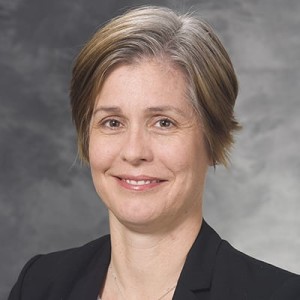
Episode 55: Dr. Caprice Greenberg and Dr. Jake Greenberg
Caprice Greenberg, MD, and Jake Greenberg, MD, both teach here at the University of Wisconsin, Madison, and have made gender equality within the surgical community a focus of their work. Drs. Kohler, Greenberg and Greenberg have an insightful discussion about everything from pay gaps to parental leave. They also mention a number of resources for those interested in inclusion within surgery. Those are listed below.
The Association of Women Surgeons
https://www.womensurgeons.org/
Twitter feed: @WomenSurgeons
(Great Twitter feed, too, says Dr. Greenberg)
Twitter: Hashtags #HeForShe
Book: Why So Slow: The Advancement of Womenby Virginia Valian
http://mitpress.mit.edu/books/why-so-slow
White Paper:
“Ensuring Equity, Diversity, and Inclusion in Academic Surgery: An American Surgical Association White Paper”
Dr. Caprice Greenberg’s talk at the Association for Academic Surgery in 2016: “Sticky Floors and Glass Ceilings.”
Friday Sep 28, 2018
Friday Sep 28, 2018
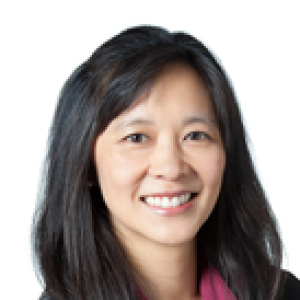
Episode 54: Dr. Catherine Cheng
Catherine Cheng, MD, is a national speaker on physician health and well-being. Her medical interests are stress management, social and emotional aspects of health, and health education. She is a clinical instructor at Northwestern University Feinberg School of Medicine.
Dr. Kohler spoke with Dr. Cheng after she gave her Grand Rounds Talk, “We Are the System: From Personal Resilience to A Culture of Wellness.”
https://videos.med.wisc.edu/videos/84678
Here are links to books mentioned in the podcast:
The Righteous Mind by Jonathan Haidt
Switch: How to Change Things When Change Is Hard By Chip Heath and Dan Heath
https://heathbrothers.com/books/switch/
Thinking, Fast and Slow By Daniel Kahneman

Monday Sep 17, 2018
Monday Sep 17, 2018
Episode 53: Dr. Seymour Schwartz
Seymour Schwartz, MD, is a ninety-year-old pioneer in medicine and the longtime editor of the world’s leading surgery textbook, Schwartz’s Principles of Surgery. 2017 marked the fiftieth anniversary of the book’s publication. In his “post-op” life, as he calls it, Dr. Schwartz has become a cartographer and has delved deeply into the Humanities.
Friday Aug 31, 2018
Friday Aug 31, 2018
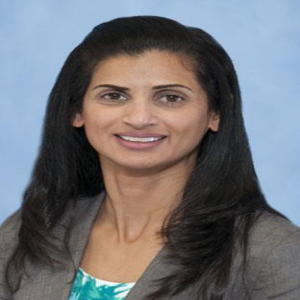
Episode 52: Dr. Gurjit Sandhu
How do we know residents are ready to be surgeons? Dr. Gurjit Sandhu of the University of Michigan joins Dr. Kohler to discuss the new assessment tools being developed in medical education. Entrustable Professional Activities are the future of surgical education, and the UW's Department of Surgery is part of a pilot project sponsored by the American Board of Surgery to study how medical schools assess the abilities of graduating residents.
Friday Aug 17, 2018
Friday Aug 17, 2018
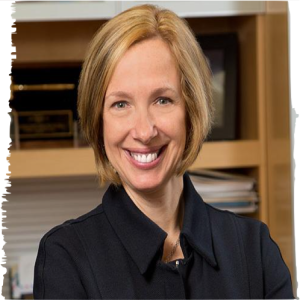
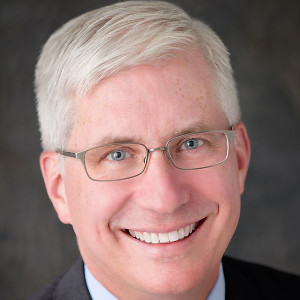
Episode 51: Dr. Carol Bradford
Dr. Carol Bradford of the University of Michigan Rogel Cancer Center has discovered new ways to help patients with melanoma without doing too much or too little. Find out more about Sentinel Lymph Node Biopsy on this week’s episode of The Surgery Sett. To hear Dr. Bradford’s Grand Rounds Talk, “Contemporary Management of Melanoma of the Head and Neck,” click here.
Friday Aug 03, 2018
Friday Aug 03, 2018
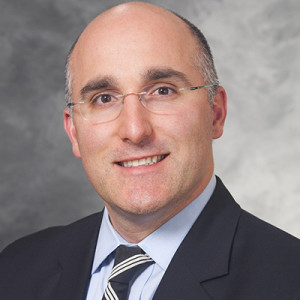
Episode 50: Dr. Gerard Doherty
Dr. Doherty was in Madison to deliver a Grands Rounds Talk about the history of surgery, and more importantly, where it’s going. How do surgeons organize their professional lives? What could the surgeon’s office of the future look like? How do surgeons sustain their careers and maintain a level of satisfaction? To hear Dr. Doherty's Grand Round Talk, click here.
Friday Jul 06, 2018
Friday Jul 06, 2018
Episode 48: Dr. Robert Redfield
Robert Redfield, MD, is an Assistant Professor in the Division of Transplantation in Department of Surgery here at U.W.—Madison, and holds the Endowed Chair, Berkman Family Transplantation Professorship. Dr. Redfield specializes in pancreatic and multi-organ transplants, along with autotransplantation. Dr. Kohler and Dr. Redfield discuss the rare disease, Loin Pain Hematuria and the treatment offered here at the University of Wisconsin. Dr. Redfield gave an illuminating Grand Rounds talk, which can be found here.
Friday Jun 22, 2018
Friday Jun 22, 2018
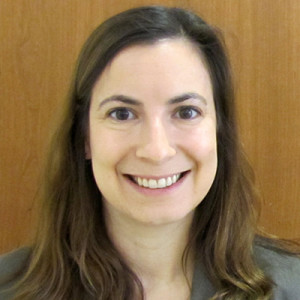
Episode 47: Dr. Allan Kirk
Allan Kirk, MD, specializes in organ transplantation and is the chair of the Department of Surgery at Duke University. Dr. Kirk received his MD and PhD in Immunology from Duke University. He also received a fellowship from U.W.--Madison to study multi-organ transplantation. Dr. Kirk and Dr. Kohler discuss the simplicity and complexity of organ transplantation and what defines a surgeon.Dr. Kirk he gave a terrific Grand Rounds talk, which can be found here.
Friday Jun 08, 2018
Friday Jun 08, 2018
Episode 46: Dr. Rebecca Busch
Rebecca Busch, MD, is a General Surgery Resident at UW but is currently taking two years away from her surgical training to pursue research with Dr. Kenneth Kudsk. Today, though, Dr. Busch talks not about her research, but about the epidemic of opioids ravaging our communities. She gave a recent Grand Rounds talk entitled, “The Opioid Crisis: One Surgeon’s Perspective.” The opioid crisis has directly impacted Dr. Busch’s family.
Friday May 25, 2018
Friday May 25, 2018
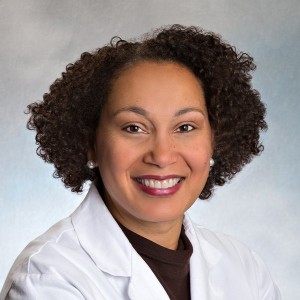
Episode 45: Dr. Zara Cooper
Zara Cooper, MD, is an Assistant Professor of Surgery at Harvard Medical School and surgeon at Brigham and Women’s Hospital. Dr. Cooper talks about high quality end of life care for seriously ill surgical patients. She is also does research to improve end-of-life care through the National Institutes of Aging. Dr. Cooper is actively involved in ethics and palliative care education for surgical residents and fellows.